Craft, production, and the journey from screenplay to screen.
How to Plan a Short Film Production, Step by Step
Planning a short film production means turning a script into a set of documents, in an order, that answer every question the shoot will ask. The order is the plan. Produce eight documents in sequence: a one page summary, the script, the script breakdown, the look book, the storyboard, the shot list, the schedule, and the budget. Then generate one call sheet for each shoot day from the last three. Each document is built by reading the one before it, so a step done out of order gets done twice.
Give yourself six weeks of pre-production for a ten minute short with a small crew. Three weeks is possible if the script is locked and the locations are already secured. One week is a story you will tell later. The rest of this guide walks the eight documents and the weeks in order, with the numbers that decide whether a day finishes: how many setups an hour a small crew can manage, how much contingency to hold, and how early permits need filing.
Start with the story, then lock it
The one page comes first. It holds the logline, a short synopsis with the ending included, the tone, the intended length, and one sentence on why this film rather than another. It is the document you send to a producer, a cinematographer, or a lead actor, and it is the test of whether you have a film or a scene. Read it to somebody who has not heard about the film. If they ask what happens at the end, the synopsis is not doing its job. Send it to the two or three people whose no would change the film, and listen to what comes back.
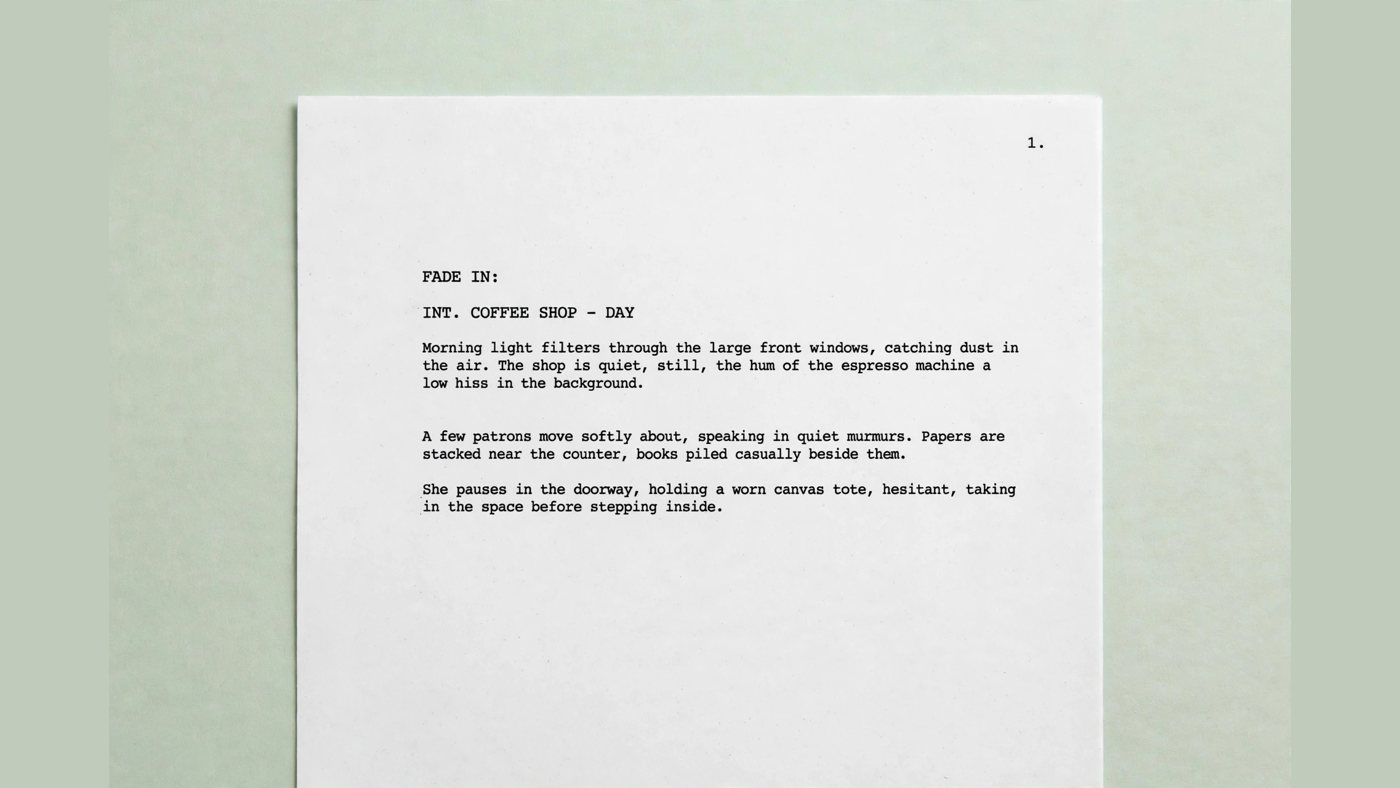
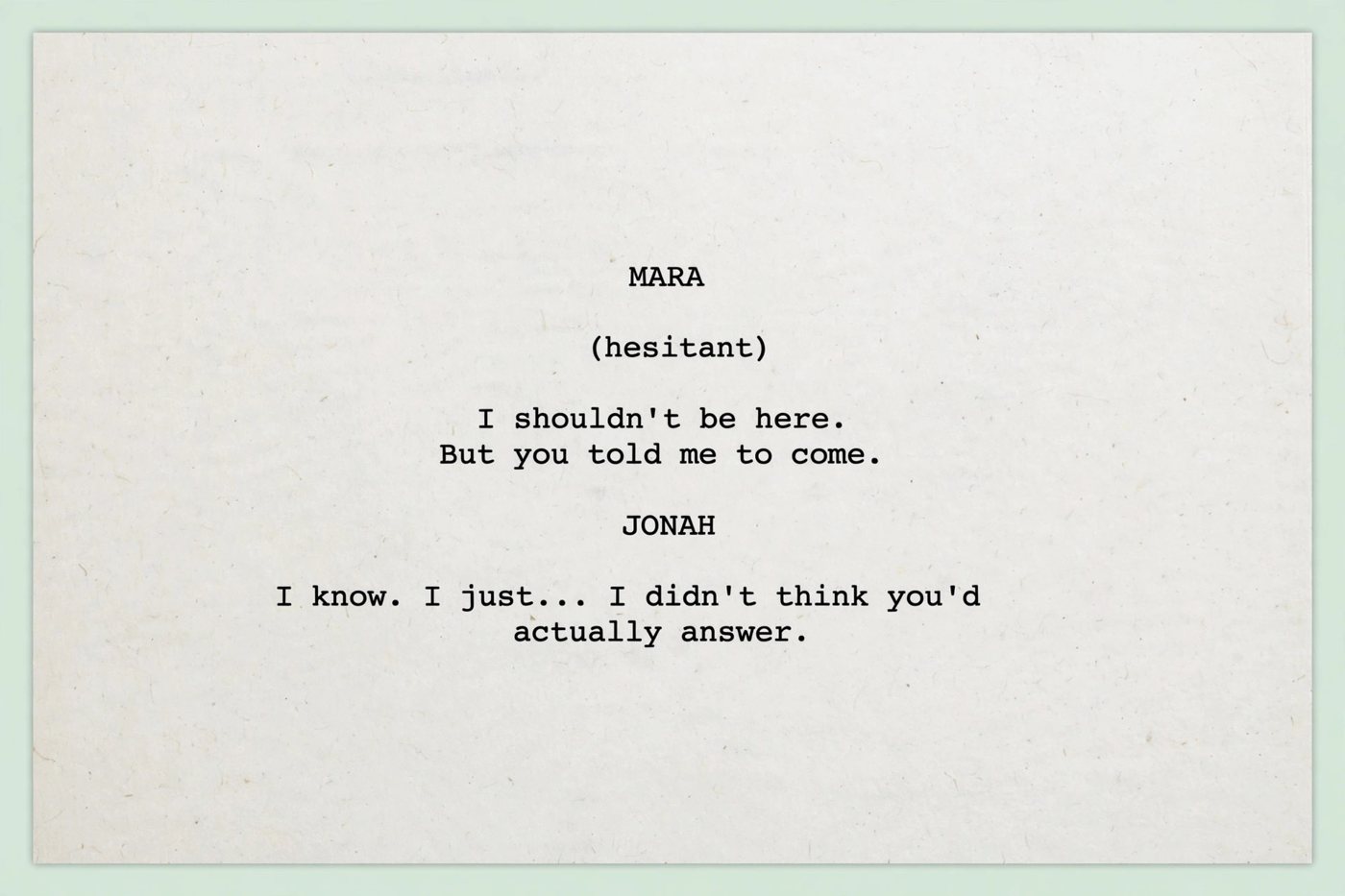
Then write the script, and write it in standard format. For a short, a page is a minute is close enough to plan against, so a ten minute short is around ten pages, and that number is what the rest of pre-production sizes itself to. Standard format is what makes the page-per-minute estimate work, what makes the breakdown possible, and what tells a crew member reading at 6am where they are. Our guide to how to format a screenplay covers the page itself, and our guide to how to write a short film script you can actually shoot covers keeping the story inside what you can film.
Lock the script before anything else is built from it. Locking does not mean the script is flawless. It means scene numbers stop changing and any further change is a formal revision, because the breakdown of an unlocked script has to be redone, and redoing it is hours you will not have twice. Before you lock, do a continuity check: read through the script several times and check character details, timeline consistency, plot gaps, weather, and wardrobe across scenes. Then check feasibility scene by scene. A dramatic car chase looks incredible on paper, but if you are working with limited resources you may need a simpler way to get the same emotional impact. If you are unsure whether the draft is ready, our guide to how to know if your script is ready to send out walks through the read that answers it.
Keep the scale honest. Two locations is comfortable. Four is expensive. Six is a different film. Every speaking role costs a day of casting, a release form, and a person who has to be fed. Anything written as a drive through the city is a half day you did not budget for.
Break the script down, scene by scene
The breakdown is the hinge of the whole process. Go through the script scene by scene and pull out every element that has to be found, booked, bought, borrowed, or built: cast and background performers, locations with interior or exterior and day or night, props, wardrobe per character per scene, set dressing, special equipment such as a dolly or a drone, vehicles, special effects, stunts, animals, minors, and sound requirements such as playback or wild lines.
Be pedantic. A phone that rings is a prop, a sound cue, and a continuity item. A cup of coffee is a prop, a wardrobe risk, and, if there are three takes, three cups of coffee. The output is one row per element, tagged to a scene number. A spreadsheet is fine. Breakdown software will generate a first pass automatically from a formatted script, which is worth doing even if you then correct it by hand, because the machine will not skip a scene the way a tired person will at 1am.
Everything downstream reads the breakdown. The budget prices it. The schedule groups it. The look book has to stay inside it. A short film that gets into trouble almost always got into trouble in an element that was in the script and never made it onto a list.
Make the look book, then board only what needs boarding
The look book answers what the film looks and feels like. It carries reference images for lighting, color, framing, wardrobe, and location texture, usually ten to twenty pages or a single board. Put three to five hero images in it that define the film, plus one labelled not this. Pull five color swatches from the references rather than describing color in words. Label every image with one line saying what it is a reference for. An unlabelled reference is a mood, and everyone on the crew will read the same image differently and each be confident.
Build the look book after the breakdown, not before. The breakdown tells you what you can actually get. A look book built inside those constraints is a plan. One built outside them is a wish that everybody has now seen. The classic failure is a beautiful reference board built around a rain soaked night exterior, followed by a breakdown that reveals the night exterior needs a rain machine, a generator, a permit, and a night shoot the lead cannot do.
The storyboard is optional, and worth it for specific scenes. Board anything with an effect, a stunt, or a shot that has to be composited. Board anything with complicated geography, where the audience needs to know where people are relative to each other. Board the scene the whole film rests on, so the director, the cinematographer, and the editor are looking at the same thing. Board anything you will only get one take at. Skip dialogue scenes between two people in a room. A shot list covers those. You do not need to draw. Reference photographs, phone snaps of the location with a person standing in frame, screenshots from other films, and labelled boxes all tell a crew what the shot is.
Cast the film and hire the crew that runs the day
Write a character breakdown for every role: age, physical traits, and personality. Post casting calls on Backstage, Casting Networks, or local film groups, and be clear about the timeline, the compensation even if it is copy and credit, and what actors need to prepare. Allot ten to fifteen minutes per actor at auditions and have everyone read the same scenes, so performances can be compared fairly. Record auditions with the actor's permission, and prepare talent release forms ahead of time so actors sign them before they read.
Hire the people who will do the rest of pre-production with you: the first assistant director, a line producer or coordinator, and the cinematographer. When you build the wider crew, fill the roles that directly affect technical quality first: the director of photography, the sound engineer, and the script supervisor. Put every agreement in writing. Crew agreements should detail roles, compensation, schedules, meal breaks, credits, overtime policies, and equipment responsibilities. Cast agreements should cover usage rights, payment terms, wardrobe, and any special provisions for stunts or intimate scenes. Location releases matter just as much, and a location agreement should be signed with the owner, not the manager.
Find locations, file permits, and insure the shoot
Start location scouting early, because locations take the longest to say yes. Scout at the time of day you plan to shoot, and listen as much as you look. Take clear photos and video of each spot, and check the practical details on the visit: room for the crew and the gear, parking, properly grounded outlets with enough breaker capacity, bathrooms, and background noise from traffic or heating systems at different times of day. Keep at least three backup options in case a primary location falls through.
Permits are where lead times bite. Processing usually runs five to fourteen business days, and some permits take three weeks or more, so file them as soon as the location is signed. In Los Angeles, FilmLA handles most permits. On federal land, coordinate with the Bureau of Land Management or the National Park Service. Your application will need the project type, title, exact locations, dates, times, crew size, vehicles, and any special equipment. Community notification is another common requirement: nearby residents and businesses typically need notice seventy-two to ninety-six hours before filming.
Insurance is non-negotiable. You need liability insurance and Workers' Compensation coverage, and most rental houses and many locations require proof before they will talk to you. Once insurance is bound, certificates go to every location and rental house that asks for one, which is all of them.
The shot list runs the day
If you take one thing from this guide, take this: the shot list is the document that runs the day. Not the script, not the storyboard. The first assistant director reads the shot list, the cinematographer reads the shot list, and the reason a day finishes on time is that somebody counted the setups before the day started.
One row per shot, with scene number, shot number, size, angle and height, movement, lens if the cinematographer has a view, a one line description, cast in shot, equipment needed, estimated setup time, and priority. The two columns most people leave out are the two that matter. Estimated setup time turns a shot list into a schedule. Priority turns a bad day into a survivable one, because when you lose ninety minutes to rain, you cut the nice to haves in ten seconds instead of arguing for twenty minutes.
Then do the arithmetic. Add up the setups. A small crew with a simple lighting setup manages roughly three to five setups an hour on dialogue and one to two on anything lit or moving. Multiply by the usable hours, add twenty-five percent for the things that go wrong, and compare with the hours of light you have. If the numbers do not work, they will not work on the day either, and now is when it is free to fix. A schedule built before the shot list is the most common way a short film fails to finish: the producer blocks two days because two days felt right, the shot list written later has forty-seven setups, and nobody discovers the gap until day one at lunch.
Build the schedule by grouping, not by story order
Schedules are built by grouping, and the grouping order is fixed by cost. Group by location first. Moving a crew costs an hour minimum and usually two, so shoot everything at a location before you leave it, regardless of script order. Then group by interior or exterior and by light. Exteriors are hostage to the sun and the weather, so book them first and keep an interior in reserve as a rain cover. Then group by cast, because if an actor is available for one day, everything they are in happens that day. Then group by setup, because shooting everything on one lighting setup before changing it saves hours that a shot list ordered by scene number quietly wastes.
Build each day with buffers. Add thirty minutes for location changes and fifteen minutes for set adjustments. Put a meal break every six hours. This is not optional, and skipping it costs more in the afternoon than it saves. Write a wrap time down and treat it as real. A day without a wrap time expands until the crew is exhausted, the last scene is the worst scene in the film, and three people do not come back for day two. Leave the last forty-five minutes of every day empty. It will be used. If it is not, you get pickups and cutaways, which the editor will thank you for more than any other single thing on the day.
Think about the actors too. Avoid scheduling back to back intense scenes that leave the cast drained. Starting with lighter material helps the team ease into the day, and a pivotal breakup scene is probably not ideal first thing on a Monday morning.
Price it before you lock it
The budget is a document, not a number. Price the breakdown, then price the schedule, then add the things neither of them contains. Write it before the schedule is locked, so cuts are creative choices rather than emergencies. A budget written after means the same decision gets made at 4pm on a Saturday by whoever is angriest. Our guide to how to budget a film walks through the top sheet, the line items, and the contingency in detail, and our guide to above the line and below the line explains which costs sit on each side of the divide.
The line items short films forget are almost always the same: food for everyone every day, including the people who said not to worry about them; transport and parking, which on a city shoot can cost more than the equipment; hard drives, and a second copy of the hard drives; insurance; permits and location fees; festival submission fees, if this film is meant to go anywhere; and sound post and the composer, which is where shorts most often run out of money after the shoot is over.
Hold a ten percent contingency that you do not spend until day one. Some guides put the range at ten to fifteen percent. The figure is a reserve for the costs you cannot see from the desk: a lost day to weather, an actor getting sick, overtime, a reshoot. If a cost can be anticipated and scoped while budgeting, it belongs in its own line. Contingency exists for the rest.
The tech scout and the call sheet
About two weeks before the shoot, walk every location with every department head. That is the tech scout: where the camera goes, where the lights go, where the power is, where holding is, where the trucks park, what sound hears, and what is unsafe. It is the cheapest day of the whole production and the one that saves the most money, because every problem found on it costs an email to fix and every problem found on the shoot day costs hours of a full crew. Leave the rest of the week to fix what it finds.
The call sheet is generated from the schedule, the shot list, and the breakdown, and sent the night before. One per shoot day, thirty minutes to produce. It carries the date, day number, weather, sunrise and sunset, the location address with parking instructions and the nearest hospital, call times per person, which are not all the same, the scenes and shots being covered in order, the meal time, cast and crew and emergency contacts, and a note about anything unusual: a minor, an animal, a stunt, a road. Send the day one call sheet by 18:00 the evening before. The nearest hospital line is on every professional call sheet because it is occasionally needed, and because putting it there tells a crew, in one line, that the people running this shoot have thought about them.
Plan post production in the same week, while there is money and attention: the editor, the drives and a backup routine, the mix and the grade booked. Post planned a week before day one gets finished. Post planned in the edit gets delayed.
A six week timeline for a ten minute short
Week one: the one page and a script draft. Send the one page to the two or three people whose no would change the film. Week two: script revisions to a locked draft, and start location scouting, because locations take the longest to say yes. Week three: the breakdown and a first pass budget. This is the week you find out what the film actually is. Week four: the look book with the cinematographer, casting, confirm locations and permits, and storyboard the two or three scenes that need it. Week five: the shot list with the cinematographer, the schedule built from the shot list, the budget locked, and equipment and crew booked. Week six: a rehearsal or a read through, a tech recce at each location with the cinematographer and the first assistant director, call sheets for day one, and the props you have been putting off.
Compress proportionally if you have less time, but keep the order. The one deadline to protect is that the shot list has to exist before the schedule is sent to anyone. Everything else can slip.
What to cut when you are out of time
Cut in this order, and stop when you have enough time back. First the storyboard: board only the two shots you cannot afford to get wrong. Then the look book's polish: keep the images and the labels, lose the layout. Then the formal budget: keep the list of what costs money and the total, lose the categories. Then rehearsal, painful but recoverable with a good cast and an extra take. Then the tech recce, very painful, and if you must, send the cinematographer a video walkthrough on a phone instead.
Never cut the breakdown, the shot list, the schedule, or the call sheet. Those four are what turn a plan into a day. A short film shot without a shot list is a film shot twice, once badly and once in the edit where the coverage does not exist.
The failures that kill shoot days are almost never creative failures. The setup count was never done. A location changed and nothing downstream was updated. One person held the plan in their head and got sick. The gear list was never checked against the shot list. Nobody wrote down when the day ends. Every one of those is a document that did not exist or was not read, and all of them show up in the finished film.
Where GREENLIGHT fits
Planning is the writer's work as much as the shoot is the director's. The story is decided on the page, and the plan is how the page survives contact with a location, a schedule, and a budget. For a short film, in Create, the script you write carries into the breakdown, the schedule, locations, script analysis, and the budget. The breakdown pulls every prop, wardrobe piece, location, vehicle, and stunt out of each scene. The schedule breaks down your shoot time from that breakdown. Locations help with local scouting, so you find the places near you that fit the scenes. And the budget works with your budget, based on industry standard data, so the numbers stay tied to the pages instead of drifting away from them. In the Academy, the production lessons walk through the shooting schedule and the call sheet the same way this guide does: as documents the story needs, not paperwork in the way of it. When the film is finished, the festival directory in Discover is where it goes next.
Guide, GREENLIGHT's film teacher, works the same way the plan does. If you are blocked, it asks what each character wants in one plain sentence, why this line and not the opposite, and what the scene is avoiding. It teaches the craft and questions the choices. It never writes the story, because every choice stays the writer's. The creator owns the story at every stage, from the first page to the last call sheet.
Sources
- The Short Film Pre-Production Checklist: Every Document You Need From Idea to Shoot Day, Storyflow
- Pre-Production Checklist: 8 Weeks to Day One, morrow
- The Ultimate Pre-Production Checklist: How to Save Your Short Film Before You Even Call Action, Indie Shorts Mag
- Filmmaking toolkits, BFI
Write the movie. Understand the movie. Plan the movie. Sell the script.
GREENLIGHT is a filmmaking and screenplay development platform where the creator owns the story. Start creating • Learn in the Academy • See how discovery works