Craft, production, and the journey from screenplay to screen.
How Much Does an Independent Feature Film Cost?
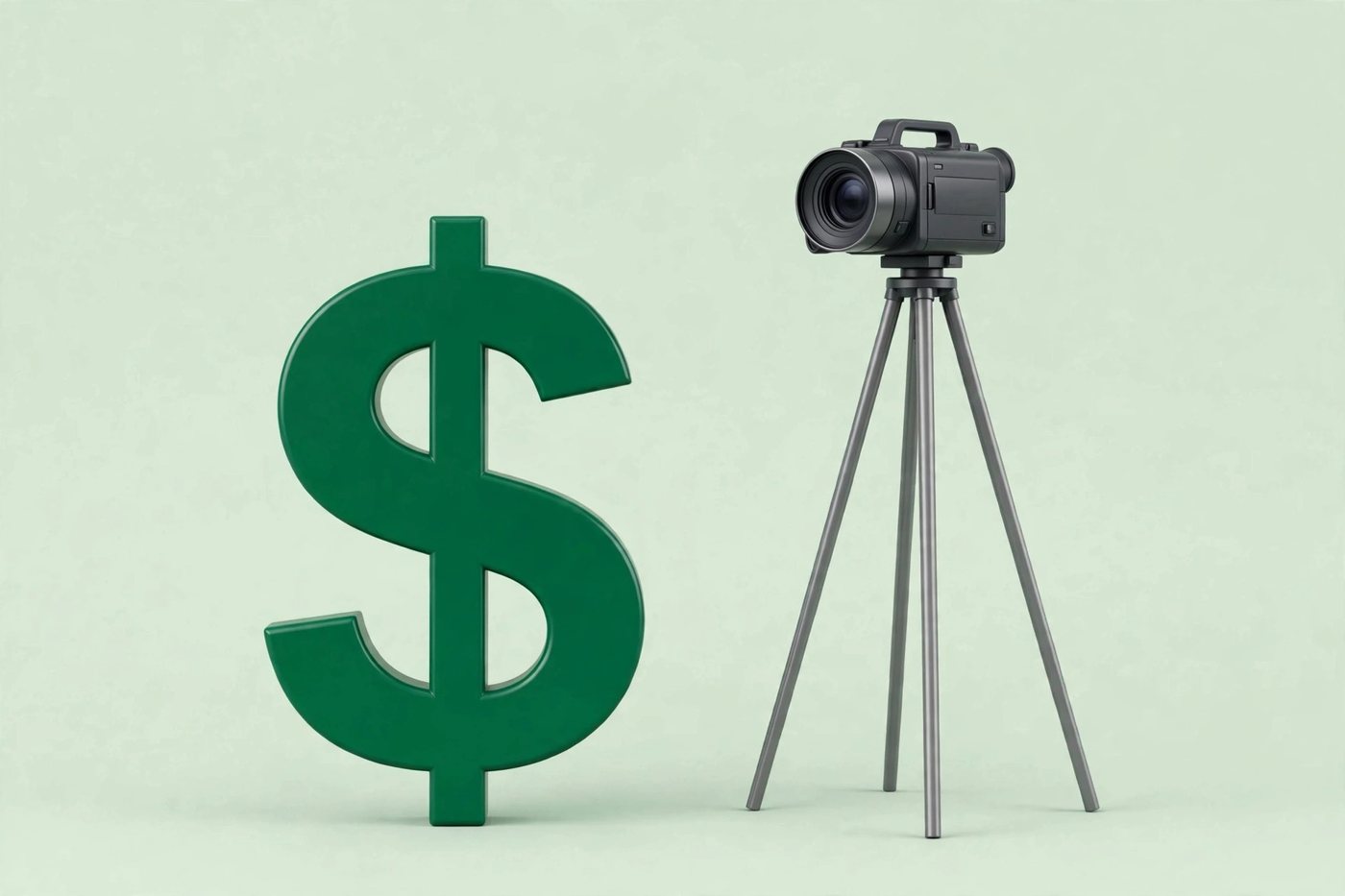
An independent feature film can cost $15,000 or $15 million, and both numbers can be true. There is no single price for a feature, because the price is not a property of the film. It is the sum of the choices inside the script: how many days you shoot, how many people you pay, where you shoot, and what the story asks the camera to do. Ask what a feature costs and the honest answer is a band, not a figure.
The useful question is which band your film belongs in, and what would move it into the next one. A micro budget feature lives under about $400,000. A low budget feature runs from about $400,000 to $2 million. An independent feature runs from about $2 million to $15 million. Above that you are in mid budget and studio territory, where the median film released in US cinemas between 1999 and 2018 cost about $18 million, according to film data researcher Stephen Follows, who studied 5,713 films. The last time the major studios published an average, in 2007, it was $70.8 million to make a film and another $35.9 million to market it.
The budget bands, and why they exist
The bands are not arbitrary. They track the real thresholds where costs jump: union contracts, crew size, and the point where a production stops being a group of friends and starts being a company.
- Micro budget, under about $400,000. A small crew, a short shoot, a few locations, and a cast you can feed and house without a production office. This is where first features live.
- Low budget, about $400,000 to $2 million. Paid key crew, real insurance, professional post production, and union actors under the cheaper agreements. The film starts to look like a film to a distributor.
- Independent, about $2 million to $15 million. Recognizable cast, longer shoots, more locations, and a full professional structure. Moonlight won Best Picture on a $1.5 million budget, and Get Out was made for $4.5 million, both inside or near this range.
- Mid budget and studio, $15 million and up. Once a film passes about $15 million, crew rates and overhead step up, and marketing starts to cost nearly as much as the film itself.
The band matters more than the exact number, because the band decides which contracts you can use and which doors are open to you.
What the unions say your film costs
The clearest map of the bands comes from SAG-AFTRA, the actors union, which sets cheaper contracts for smaller films. Its Low Budget Entertainment one sheet, current as of October 2026, draws the lines like this: the Micro Budget Project Agreement covers films budgeted at $20,000 or less, the Ultra Low Budget Project covers films under $300,000, the Moderate Low Budget covers films under $700,000, and the Low Budget Agreement covers films under $2 million. Each step up raises the minimum an actor must be paid per day. From July 1, 2026, the day rates run from $257 under the Ultra Low Budget agreement, to $449 under Moderate Low Budget, to $834 under Low Budget, and about $1,283 once a film passes $2 million. On top of the day rate, the producer pays pension and health contributions, which rose to 22 percent of pay in September 2026.
Crossing a threshold by a few thousand dollars can nearly double your cast costs, which is why experienced producers plan the budget to sit safely inside a tier rather than on its edge. Staying under $300,000 or under $700,000 is a creative decision as much as a financial one. It decides how many speaking roles the script can carry and how many days each actor can work.
Where the money goes
Every film budget splits into the same few blocks. Above the line is the creative team hired before the shoot: the writer, director, producers, and cast. Below the line production is everything it takes to shoot: crew, cameras, lighting, locations, sets, costumes, food, and transport. Below the line post production is editing, color, sound, music, and visual effects. The last block is everything else: insurance, legal fees, and the contingency, a reserve for things that go wrong.
Follows studied 107 real budgets, from micro films to studio tentpoles, and found a steady pattern. Above the line took 16 to 26 percent of the budget, production took 56 to 74 percent, post production took 7 to 13 percent, and other costs took 1 to 8 percent. Small films spend a bigger share on post. The biggest films spend a bigger share on production, because sets, locations, and effects grow faster than everything else.
Two lines in that last block catch first time producers. Most producers add a contingency of about 10 percent on top of the budget, and production insurance adds about 2 to 3 percent. A budget with no contingency is a wish, not a plan. Something always goes wrong, and the contingency is what keeps a bad day from becoming a lost film. Our guide to how a film budget is built, line by line walks through the top sheet, the above the line and below the line split, and every line item a first budget needs.
The five drivers that move the number
If the bands tell you where your film sits, the drivers tell you why it sits there. On almost every film, the number that moves the total most is the number of shoot days, because crew, gear, food, and locations all charge by the day. Cut one shoot day and you save a full day of every daily cost.
- Shoot days. A micro budget feature typically shoots in 10 to 15 days. A low budget feature needs 18 to 25 days. Every extra day is a day of wages, rentals, meals, and location fees.
- Locations. Every company move costs hours. Paranormal Activity was shot in one house for $15,000. Clerks was set in the convenience store where Kevin Smith worked, and cost $27,575. Write for the places you can actually get.
- Cast size. Each speaking role adds day rates, fittings, and scheduling. A two hander in one location is a different film, financially, from an ensemble spread across a city.
- Genre. Genre moves the number more than almost anything else. In Follows data from 2014 to 2018, the median horror film cost $8 million, the median romance $11 million, and the median adventure film $76 million. Horror is cheap because it is contained. Adventure is expensive because it is not.
- Post production. A film that needs heavy visual effects, a score, and a long sound mix carries a post bill that can rival the shoot. Plan post before you shoot, because fixing a problem in post costs more than avoiding it on set.
What the famous cheap films actually prove
The famous low numbers are real, and they are also misleading if you read them as a recipe. Paranormal Activity cost $15,000. Christopher Nolan's first feature, Following, reportedly cost about $6,000. Shane Carruth's Primer, which won the Grand Jury Prize at Sundance, is reported at about $7,000. Whiplash was made for $3.3 million. None of these films prove that a feature is cheap. They prove that a script written inside its means can be finished, and a finished film can be seen.
What most budget guides get wrong is giving you one number and stopping there. A single figure tells you nothing about what it includes. The headline cost of a micro budget film usually captures only what the filmmaker spent out of pocket, not the total investment required to get it into theaters. It leaves out the deferred pay, the borrowed gear, the favors, and the marketing. Marketing is the second movie budget. For a studio film in 2007 it averaged $35.9 million. For an independent film it means festival fees, a poster, a trailer, and paid social ads, and it has to be planned from day one, because a finished film nobody hears about earns nothing. A common rule of thumb says a film needs to gross about 2.5 times its production budget to break even, because cinemas keep around half the ticket money and marketing has to be paid back too.
Build your number from the script
Start from the script, not from a number you hope to raise. Break the script down scene by scene and pull out every element that has to be found, booked, bought, borrowed, or built. That breakdown is the hinge of the whole process: the budget prices it, the schedule groups it, and anything the script contains that never makes it onto a list is where a production gets into trouble. Our guide to how to break down a script shows the method, and our guide to how to plan a short film production, step by step shows the same discipline on a smaller scale, where the same rules apply.
Then price the breakdown honestly, put the contingency in, and check which SAG-AFTRA tier the total lands in. If the script lands just over a threshold, the cheapest fix is usually a rewrite: one fewer location, one fewer speaking role, one fewer shoot day. The writer is the first budget decision, and the cheapest budget cut in filmmaking is a line in a script. That is the writer's advantage, and it is why the budget conversation starts with the story, not with the money.
GREENLIGHT is built on that order. In Create you write the screenplay the budget will be built from, and in the Academy you learn the craft that keeps the story inside what you can film. The creator owns the story, and the budget is the plan that protects it. Before you send the script anywhere, read how to protect your screenplay, because a script with a real budget attached is a script worth protecting.
Sources
- SAG-AFTRA Low Budget Entertainment Contracts one sheet, October 2026
- Average Movie Budget: What It Costs to Make a Movie, iFilmThings
- How Much Does It Cost To Make A Low-Budget Movie?, The Pricer
- How Much Does It Cost to Make a Movie: Complete 2026 Budget Guide, Filmcane
Write the movie. Understand the movie. Plan the movie. Sell the script.
GREENLIGHT is a filmmaking and screenplay development platform where the creator owns the story. Start creating • Learn in the Academy • See how discovery works